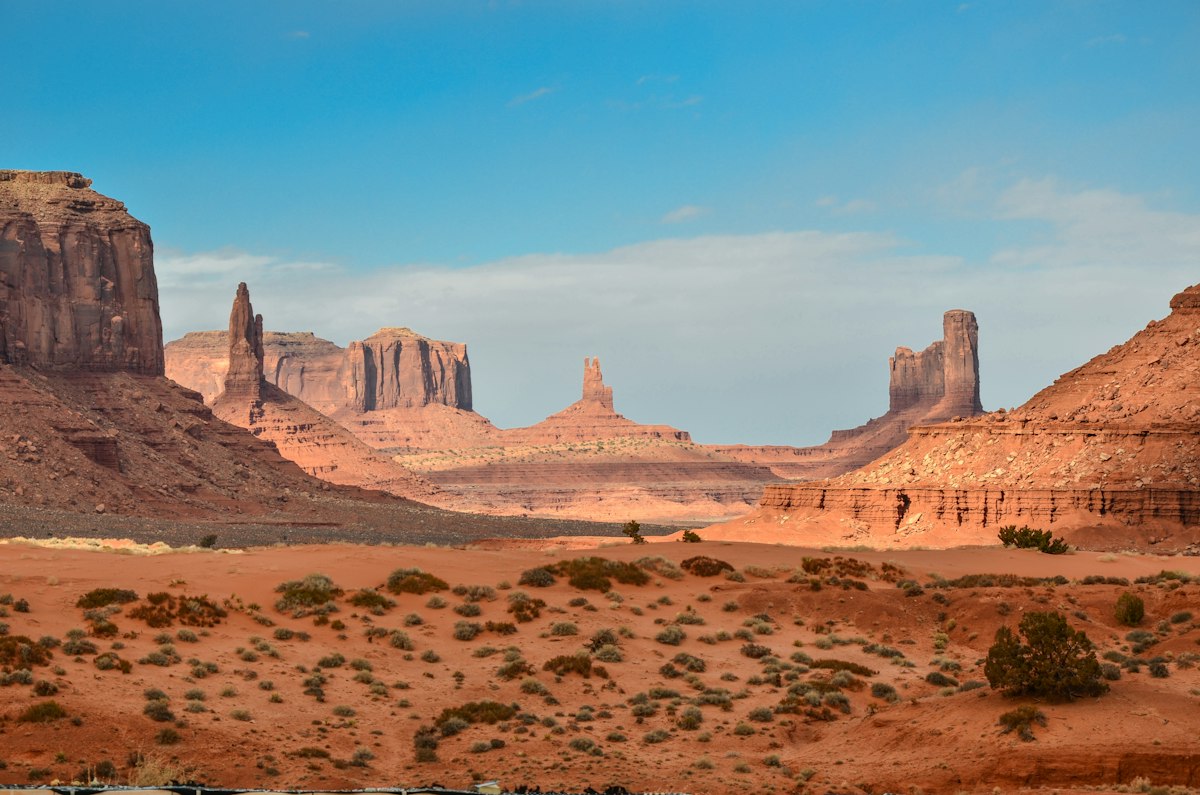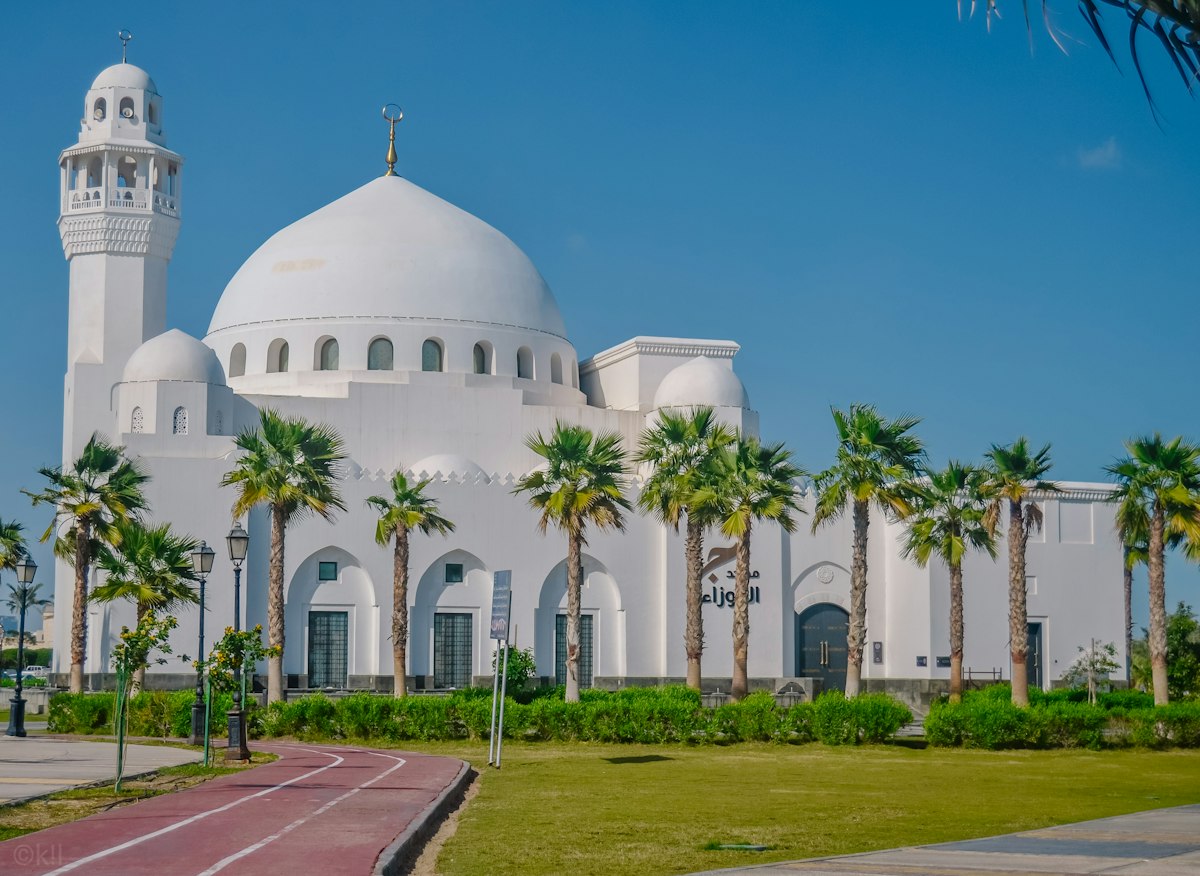
Most visitors to Oman arrive with a well-worn itinerary: Muscat, Nizwa, Wahiba Sands, Wadi Shab. These are exceptional destinations — we have written about them at length — and they absolutely deserve their reputation. But Oman is a large country with a small tourism footprint, and what lies beyond the guidebook highlights is often the most extraordinary. This guide is for the traveller who wants to go further.
1. Wadi Ghul — Oman's Grand Canyon
About 90 kilometres west of Nizwa, the Wadi Ghul gorge drops over 1,000 metres in places — making it one of the deepest canyons on the Arabian Peninsula. Most tourists drive past on the way to Jebel Shams and barely glance down. Stop at the rim. The scale is shocking: terraced ghost villages cling to the opposite wall, their pale stone virtually indistinguishable from the canyon itself. The main viewpoint is accessible by standard car; a series of graded walking trails along the canyon edge offer hours of exploration for those who linger. The village of Sap Bani Khamis on the far wall was abandoned in the 1980s but is still structurally intact.
2. Jebel Shams Summit Trail (W6)
Everyone goes to the Jebel Shams viewpoint. Far fewer continue to the actual summit, the highest point in Oman at 3,009 metres. The W6 trail from Qiyut village is a full-day hike of around 14 kilometres with 900 metres of elevation gain. The reward is an utterly uninhabited plateau where the horizon seems to extend to the edge of the world, the temperature is genuinely cool year-round, and on a clear winter's morning you may not see another human being. A guide is strongly recommended — trail markers are infrequent and mountain weather can change rapidly.
3. Fins Beach — The Turquoise Secret
Between Muscat and Wadi Shab, most travellers stop at Bimmah Sinkhole and continue south. Almost nobody turns off to Fins Beach — a wide bay of turquoise water enclosed between rust-coloured limestone headlands that tumble straight into the sea. The snorkelling off the rocks is exceptional (parrotfish, rays, occasional reef shark), there are no facilities or entrance fees, and on most weekdays it is completely deserted. A 4WD helps on the final approach track but is not strictly necessary in dry conditions.
4. Al Hajar Village Circuit — The Forgotten Interior
The villages of the inner Hajar Mountains — Bilad Sayt, Al Ayn, Al Hamra — appear on some maps but attract a fraction of the visitors that the Jebel Akhdar rose villages receive. Bilad Sayt in particular is a revelation: a small agricultural settlement enclosed on three sides by thousand-metre limestone walls, accessible down a single switchback road. The village's falaj irrigation system still runs; the date palms are centuries old. Al Hamra, 30 minutes away, contains the finest example of Omani mud-brick domestic architecture still standing — the multi-storey Bayt Al Safah house is open as a living museum.
5. Ras Al Jinz at Dawn (Not at Night)
Ras Al Jinz is well-known for night-time turtle watching. What is less known is that arriving at the reserve before dawn — sitting on the beach as the sky lightens behind you — is perhaps the more extraordinary experience. Spent nesting females drag themselves back to the sea in the first light; hatchlings scatter across the sand toward the water; and the beach is yours for perhaps an hour before the sunrise tours arrive. Book an early-morning permit (available from the reserve's own counter for walk-ins when space is left) rather than the packaged evening tour.
6. Qalhat — The Forgotten City
Qalhat, 40 kilometres north of Sur, was once one of the most important ports on the Arabian Sea. Marco Polo wrote about it. Ibn Battuta called it "a fine city with markets, gardens, and orchards." Today it is a UNESCO World Heritage Site that almost no one visits — a vast archaeological zone of ruined walls, mosques, and cisterns above a perfect natural harbour. The Bibi Maryam mausoleum, a 14th-century domed structure of elegant Persian tile work, stands intact in the middle of the ruins. The site is free, unguarded, and silent. Allow two hours.
7. Wadi Nakhr Gorge Walk
While visitors stand at the Wadi Ghul viewpoint and look down, a small number each year actually descend into the gorge floor via the Wadi Nakhr track. The descent requires a 4WD, rope assistance in the wet season, and significant care — but the gorge floor is another world: a ribbon of green palm trees, running water, and towering walls that close out the sky. Local guides from nearby villages can be hired for around OMR 30 for a half-day. This is not a walk for the inexperienced — but for those comfortable in technical terrain, it is one of Oman's great experiences.
8. Dhalkut and the Western Salalah Coast
Every visitor to the Dhofar region visits Salalah. Very few continue the 130 kilometres west to Dhalkut, the last Omani settlement before the Yemeni border. The road follows the Indian Ocean coastline through a sequence of deserted bays and coves where white sand gives way to turquoise shallows backed by green Khareef-season hills. The frankincense trees along this coast grow wild and accessible — park at any point and you can touch the trees that built the ancient incense trade routes. The Mughsayl blowholes 35 kilometres from Salalah spray plumes of seawater 20 metres into the air when the swell is right; most tourists do not know to time a visit with incoming waves.
9. Tiwi Beach and Wadi Tiwi
Directly north of Wadi Shab and far less visited, Tiwi is a split experience: a long crescent of white sand beach backed by a village where fishing dhows are still pulled up on the shore, plus a wadi inlet running inland through lush palm gardens and terraced fields. The wadi road is drivable for several kilometres and requires only a standard car for the first section. The beach itself has a rough campsite used almost exclusively by Omani families at weekends and practically empty midweek. No entrance fee, no facilities beyond a basic toilet block.
10. Bimmah Bat Tombs — Bronze Age Hillside
A 20-minute drive inland from Bimmah Sinkhole, on a bare limestone ridge above the town of Bat, stand approximately 3,000 Bronze Age beehive tombs dating from 3000–2000 BCE — among the largest and best-preserved prehistoric funerary landscapes in the world. The Bat and Al Khutm tombs are a UNESCO World Heritage Site yet receive perhaps a few dozen visitors a week. No entrance fee. The landscape in the late afternoon, when the tombs cast long shadows across the ridge and the surrounding village is visible below, is of breathtaking archaeological drama.
11. Jabal Al Qamar — The Moon Mountains at Night
The limestone range immediately south of Salalah — the Jabal Al Qamar or "Moon Mountains" — is one of the darkest sky zones in Arabia. The nearest light pollution is the town of Salalah, 20 kilometres away, and on clear nights the Milky Way is visible as a defined band across the sky. The road to the top passes through the Al Mughsayl area and is surfaced to the plateau; beyond the plateau edge, informal camping is free and generally unmolested. Bring layers — it can drop to 15°C on winter nights even this far south.
12. Rustaq Fort and Hot Springs
Rustaq, 165 kilometres from Muscat, is most often skipped in favour of better-publicised forts. This is a mistake. Rustaq's fort is one of the oldest in Oman, parts of it dating to the pre-Islamic period, and the four-storey Bürj Al Rih (Tower of the Wind) contains a natural cool-air duct that remains functional after a thousand years. Three kilometres from the fort, the Ain Al Kasfa hot springs feed a public bathing area (segregated, and socially conservative — dress modestly) where water emerges at 45°C. Combine with a visit to the souq for the copper merchants and the women selling traditional silver jewellery.
Practical Advice for Off-the-Beaten-Path Oman
Transport
A capable 4WD is essential for around half the destinations above. Oman's rental agencies in Muscat can provide a Toyota Land Cruiser or Prado for approximately OMR 35–60/day. Download an offline map (Maps.me or OsmAnd) — Google Maps coverage is patchy once you leave the main highways.
Water and Supplies
Carry significantly more water than you think you need — at least 3 litres per person for any full-day excursion. Rural petrol stations and shops are present in larger towns but absent from most wadi and mountain areas. Top up fuel whenever you see a station in the interior.
Camping
Wild camping is generally tolerated in Oman and is an extraordinary option: most of the sites above offer superb unofficial camping. Use a Leave No Trace approach — this is what has kept these places pristine. A basic rule: if you can see a local village, ask permission first as a courtesy; in the true wilderness, camp freely.
Oman Travel Guide 2025
Our 250-page Oman Travel Guide goes deep into 100+ destinations including every hidden gem in this article — with GPS coordinates, seasonal access notes, difficulty ratings, and route maps for the places most travellers never find.